Color correction has a reputation problem in Tega Cay: clients expect a fix, singular, and stylists keep talking about a process, plural. The gap between those two words is where most disappointment lives. A correction is not a color service that went long. It is a repair sequence for hair that holds bands of old color, brassy patches, box-dye layers, or damage — and each of those problems has to be solved in an order the hair can survive.
The most useful way to see it is as a calendar. Corrections unfold across weeks, with each visit doing one job and the hair's condition deciding when the next job can start.
What is actually being corrected
Start with the three common problems. Banding is a visible stripe where one color application ended and another began, often darker or warmer than the hair around it. Brassiness is unwanted warm tone — yellow, orange, or red, showing through where lift was uneven or toner has faded. Box-dye buildup is layered pigment, darkest at the oldest ends, that resists lightening and lifts through stubborn warm stages no matter how the stylist plans.
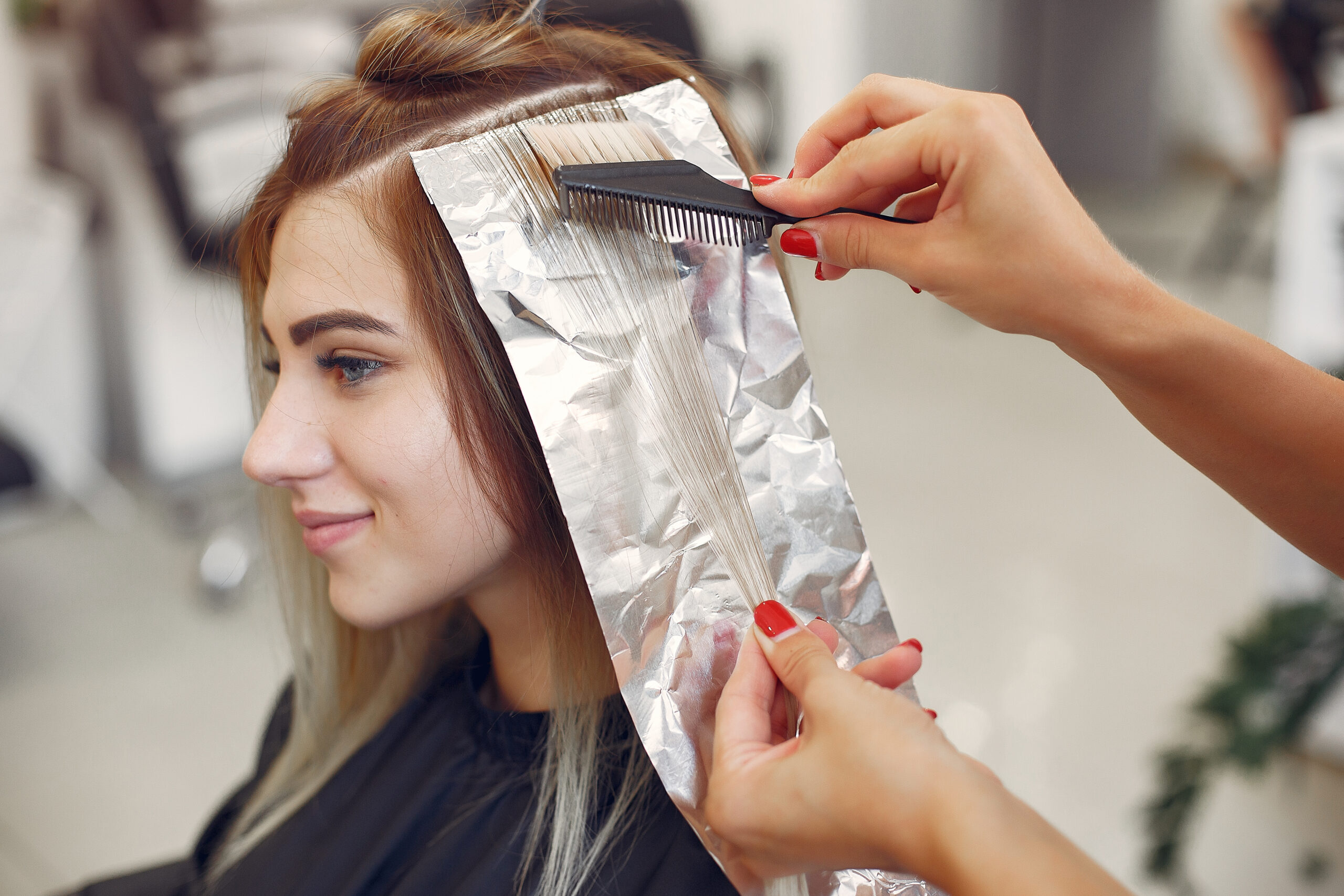
Underneath the color problems there is often a condition problem. Hair that has been colored repeatedly, especially with overlapping applications, is porous and fragile at the ends. Lightening it to the target shade in one aggressive session can break it. That constraint, more than any stylist preference, is why corrections are staged.
The correction calendar
| Stage | Timing | What happens | What you will see |
|---|---|---|---|
| Consultation and strand test | Visit zero | History taken, test section processed to preview lift and strength | An honest plan, target, and number of visits, not yet new color |
| Session one: reduce and even | Week 1 | Built-up pigment lightened or removed, worst banding addressed, conditioning treatment | Hair is more even but usually warm and unfinished looking |
| Rest and condition | 1–3 weeks between sessions | Home conditioning, no new chemical experiments, hair assessed as it settles | True condition and remaining tone become clear |
| Session two: refine the color | Weeks 2–4 | Target color built on the evened base, toning to control warmth | Close to the goal, sometimes fully there |
| Session three, if needed | Weeks 5–8 | Final refinement for stubborn histories, plus trim of unsalvageable ends | The finished result, on hair that survived to hold it |
| Maintenance rhythm | Every 6–10 weeks after | Root touch-ups, gloss or toner refreshes, regular trims | The corrected color stays corrected |
The middle stage is the one clients find hardest: the hair between sessions looks like a work in progress, because it is one. Planning corrections around big events means starting earlier than feels necessary, a correction that needs three sessions across six weeks cannot be compressed into the week before a wedding, no matter how the appointments are arranged.
Why staging protects the result, not just the hair
Color reads differently on even hair than on banded hair. A stylist who tones over unresolved bands gets a result that fades unevenly within weeks, because the underlying stripes show through at different rates. Evening the base first is slower and far more durable. It is also more honest: the strand test at visit zero shows the likely pace, and a stylist at Full Circle Salon can show you that test result and explain the plan it dictates.
Your part between sessions
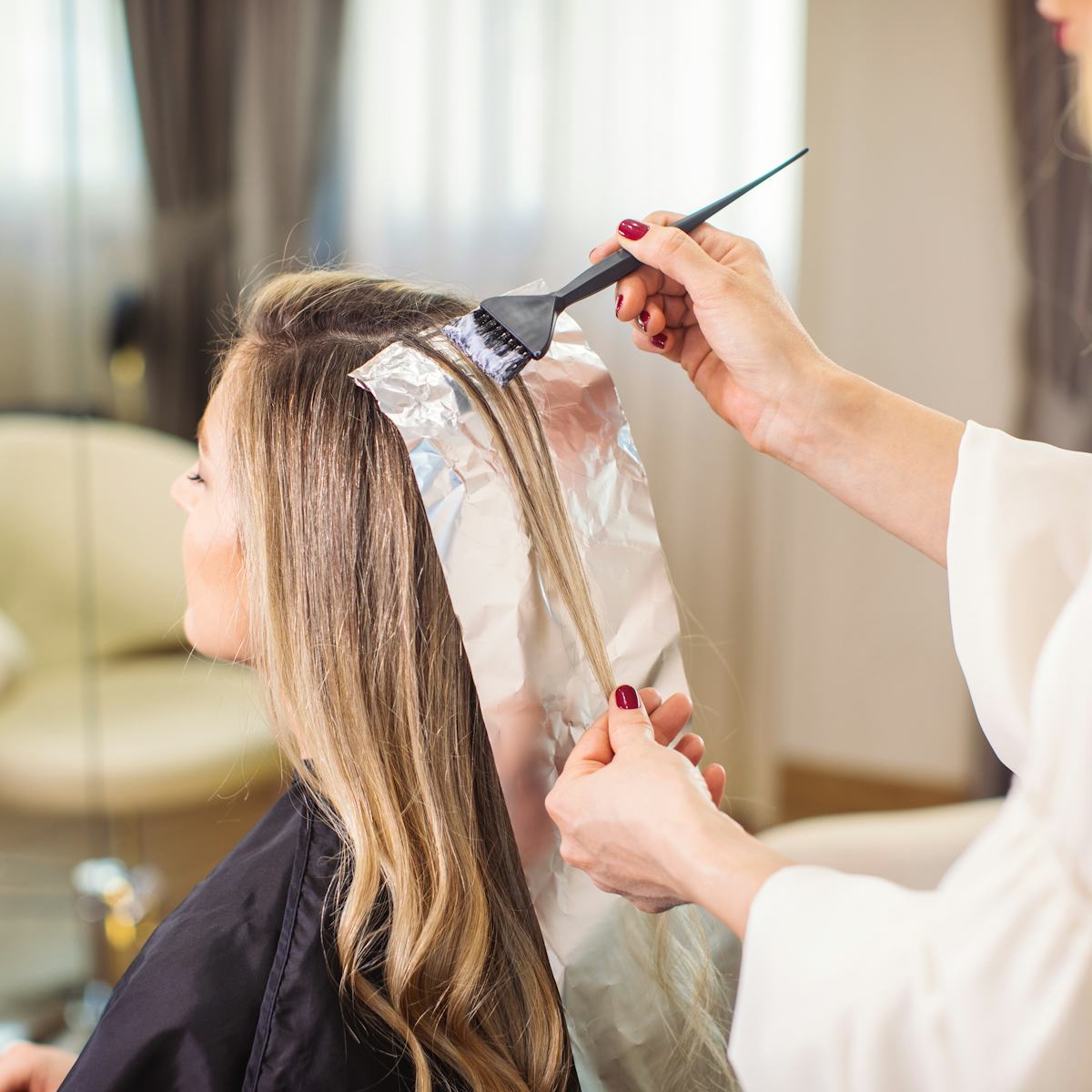
Condition faithfully, go easy on heat, and above all do not add anything chemical at home between sessions, no box toner, no color-depositing experiments unless the stylist suggests a specific one. Each home addition becomes a new variable the next session has to solve. If the in-between color bothers you, ask about a temporary gloss at the salon, which can soften the look without changing the plan.
Cost, in the only terms that matter here, runs the same direction. A staged correction takes more visits than a single color service, but a rushed one that breaks the hair costs something harder to replace than time: length, and the months required to grow it back. Staging also spreads the work out so each session is shorter and the hair arrives at each one in better condition than it would have under a single marathon appointment. Clients who plan the calendar honestly almost always reach the target. Clients who demand it all in one day often start the calendar over, with shorter hair.
Common questions
Why can't my correction be finished today?
Because layered pigment and fragile hair set the pace. Removing buildup, evening the base, and building the target color in one aggressive session risks breakage and an uneven result that fades fast.
Will my hair look bad between sessions?
It will look unfinished, usually warmer and less polished than the goal. A salon gloss can soften the in-between stage without disturbing the correction plan.
How do I avoid needing a correction again?
Keep a record of every color applied, disclose it fully, and maintain the corrected color with scheduled touch-ups and toner refreshes instead of improvising at home.
Photos in this guide are representative stock images.
← All guides from Full Circle Salon← Back to Full Circle Salon