Going gray on purpose is a decision made in a day and executed over a year or more. The color you have been applying does not fade away; it grows out at about half an inch a month, which means the transition has seasons, and planning it seasonally in Tega Cay makes a real difference. Hair behaves differently in humid summer than in dry winter, gray texture shows differently in bright light than in soft light, and a blend that looked right in October needs adjusting by June.
The goal is not to endure the in-between months but to manage them deliberately, with blending strategies that keep the grow-out looking like a choice the whole way through.
The strategies, plainly
There are three main approaches. The first is blending: adding lowlights in your natural darker tones and highlights or gloss to soften the line where dyed hair meets gray roots, so the boundary blurs instead of striping. The second is a gradual lightening of your overall color toward a shade closer to your gray, shrinking the contrast at the roots with each appointment. The third is the decisive chop — cutting away the dyed length once enough gray has grown in, trading a long transition for a shorter one and a shorter haircut.
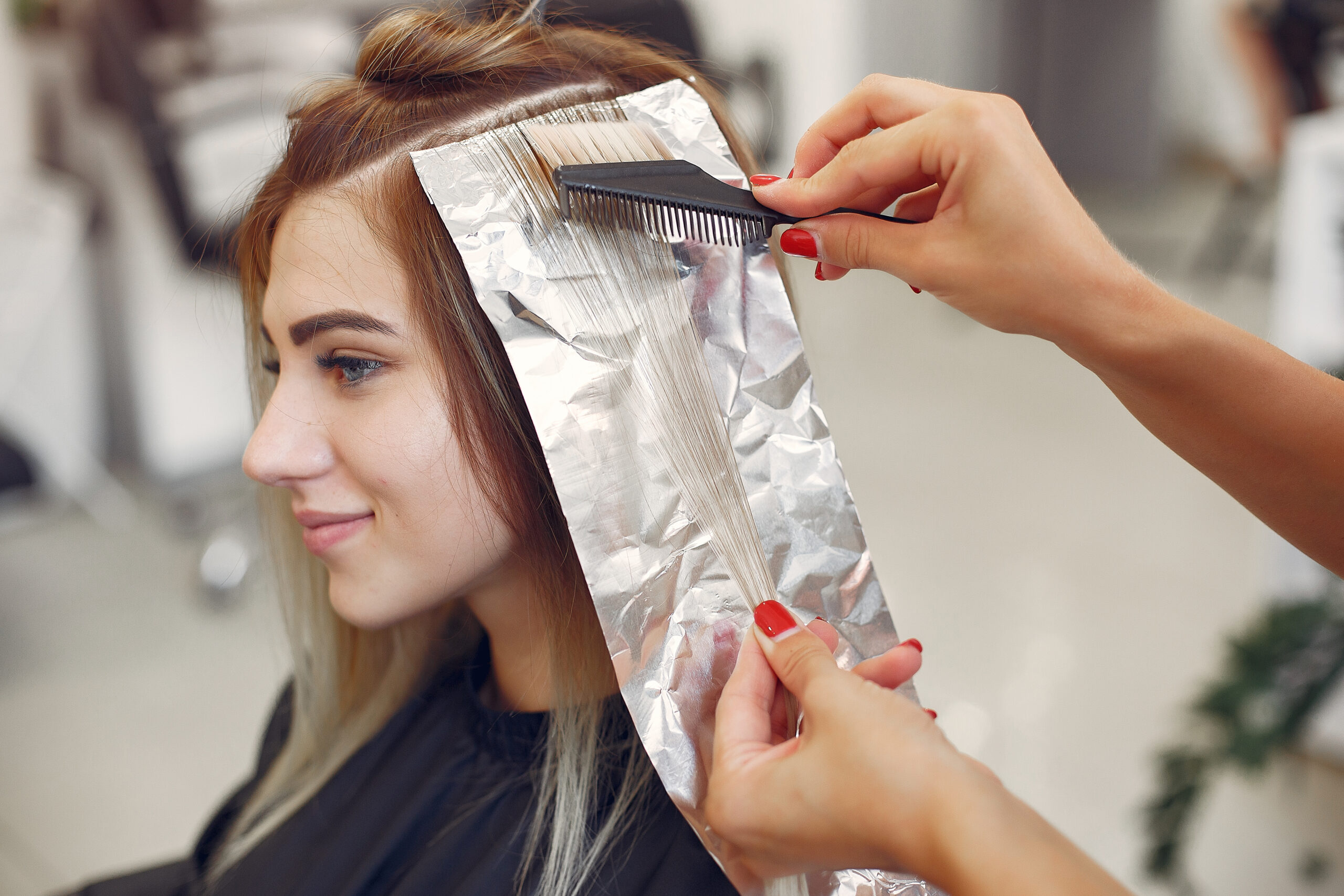
Most people land on a blend of the first two. Pure cold-turkey grow-out, with no blending at all, is the cheapest route and the hardest to live with, because the demarcation line is sharpest exactly when the gray portion is longest.
A seasonal checklist for the transition
Working through the grow-out, season by season
- Starting season — set the plan: Photograph your roots in daylight, decide on blending, gradual lightening, or a planned chop, and book the first blending appointment to soften the line early rather than after it hardens.
- Spring, manage pollen-season washing: Frequent washing and rinsing during heavy pollen weeks can dull a gloss faster, so schedule toner or gloss refreshes a little closer together and rinse hair after long stretches outdoors.
- Summer, humidity and sun: Gray hair is often coarser and more wiry, and humidity exaggerates it. Add a smoothing product to the routine, expect more frizz management, and know sun can yellow gray, a clarifying or purple-toned wash used occasionally counteracts it.
- Fall, reassess the blend: As the gray section lengthens, the ratio changes and the old plan needs adjusting. This is a natural moment to shift the blend lighter, add lowlights for dimension, or commit to the chop if enough length has grown.
- Winter, dry air, dry gray: Indoor heating dries hair, and gray hair already holds moisture poorly. Deep condition regularly, ease off heat, and use the softer winter light to judge your true tone before spring decisions.
- Every season, trim on schedule: Regular trims remove dyed ends steadily, which is the only way the transition actually finishes. Skipping trims preserves the very hair you are trying to grow past.
The in-between months, honestly
Gray rarely grows in evenly. It often arrives first and densest at the temples and hairline, sparser at the back, which can look patchy mid-transition. Lowlights placed where gray is sparse and blending where it is dense even the effect out. Texture changes surprise people too: gray strands are often coarser, curlier, or more resistant than the pigmented hair around them, so a cut and routine that worked for years may need adjusting as the proportion shifts.
There will be a month where you dislike it. That month passes, and it passes faster with appointments kept than with hats worn in frustration. A stylist at Full Circle Salon can look at your growth pattern and tell you which strategy fits the way your gray is actually arriving, which rarely matches the even silver of inspiration photos.
When the transition is done
Done means the dyed length is trimmed away and the color is entirely yours. Maintenance does not end, gray hair benefits from occasional glossing for shine, purple-toned washes against yellowing, and trims that keep the coarser texture shaped, but the appointments get simpler and less frequent. Most people who finish say the same thing: the transition was the hard part, and it was shorter than the years they spent dreading it.
Common questions
How long does growing out gray take?
At about half an inch a month, expect a year or more for longer hair, less if you choose a shorter cut partway through. Blending appointments make the months look intentional.
What are lowlights and why would I add color to go gray?
Lowlights are darker strands placed to mimic your natural pigmented hair. They break up the hard line between dyed lengths and gray roots so the grow-out blends instead of striping.
Why does my gray hair feel wiry?
Gray strands are commonly coarser and hold moisture less well than pigmented hair. Regular deep conditioning, gentler heat, and a cut shaped for the new texture all help.
Photos in this guide are representative stock images.
← All guides from Full Circle Salon← Back to Full Circle Salon