Thick hair has one recurring complaint in Tega Cay: by week three after a cut, it has expanded into a triangle, heavy at the bottom, hot on the neck, and impossible to tuck or tie up comfortably in summer. The usual request is to thin it out, and the usual mistake is treating that as a single aggressive pass with thinning shears. Done carelessly, debulking creates a halo of short, frizzy pieces that grow out worse than the weight did. Done well, it removes bulk from where it hides and leaves the shape, the surface, and the ends intact.
This is the practical version: what you can manage at home between cuts, what your stylist should be doing in the chair, and the clear line between the two.
What taking weight out should mean
Thick hair is really two things: a lot of individual hairs, and often coarse ones. Weight sits in specific places — the dense zone at the back, the interior layers, the bottom few inches where everything stacks. Good debulking targets the interior, removing bulk where it will not show, while keeping the surface layer smooth and continuous. The moment short pieces appear all over the surface, the hair frizzes, because those pieces are now too short to lie flat and too light to be weighed down by their own length.

The word thinning covers several different tools, and they are not interchangeable. Thinning shears with teeth remove a percentage of hair with each cut. A razor creates soft, tapered ends but can fray coarse or curly hair. Point cutting and slide cutting with regular shears remove weight in controlled places while keeping ends clean. Asking which tool your stylist plans to use, and where, is a reasonable question with a real answer.
The home side of the routine, step by step
- Wash for the scalp, condition for the weight. Thick hair tangles and dries slowly. Condition generously through the mid-lengths and ends to add slip, and rinse well — leftover product adds a coated heaviness that feels like bulk but is not.
- Detangle wet and conditioned, in sections. Working in four or more sections with a wide-tooth comb prevents the breakage that creates frizzy short pieces of your own making.
- Dry in sections, not all at once. Clip the top up and dry the dense underneath first. Air trapped in a thick interior is why the outside can be dry while the back is still damp hours later.
- Choose styles that redistribute weight. A higher ponytail, a braided style, or clipping the top layers up on hot days moves bulk off the neck. Heat at the nape is a distribution problem before it is a haircut problem.
- Sleep with it contained. A loose braid or a high, loose bun keeps thick hair from tangling overnight, which cuts morning brushing, and brushing is where thick hair gains its unwanted volume.
- Track where it actually bothers you. Notice whether the problem is the back density, the bottom-heavy outline, or the drying time. Each has a different salon fix, and arriving with the specific complaint gets you the specific solution.
The salon side: undercuts and texturizing done right
An undercut removes a hidden section of hair, usually at the nape or sides, taking real weight and heat away while the hair worn down looks unchanged. It suits very thick, straight-to-wavy hair and people who wear hair up often, the removed section shows, deliberately, in an updo. It is a commitment, since the section must be maintained or grown out over months, but for the right head it solves the summer problem outright.
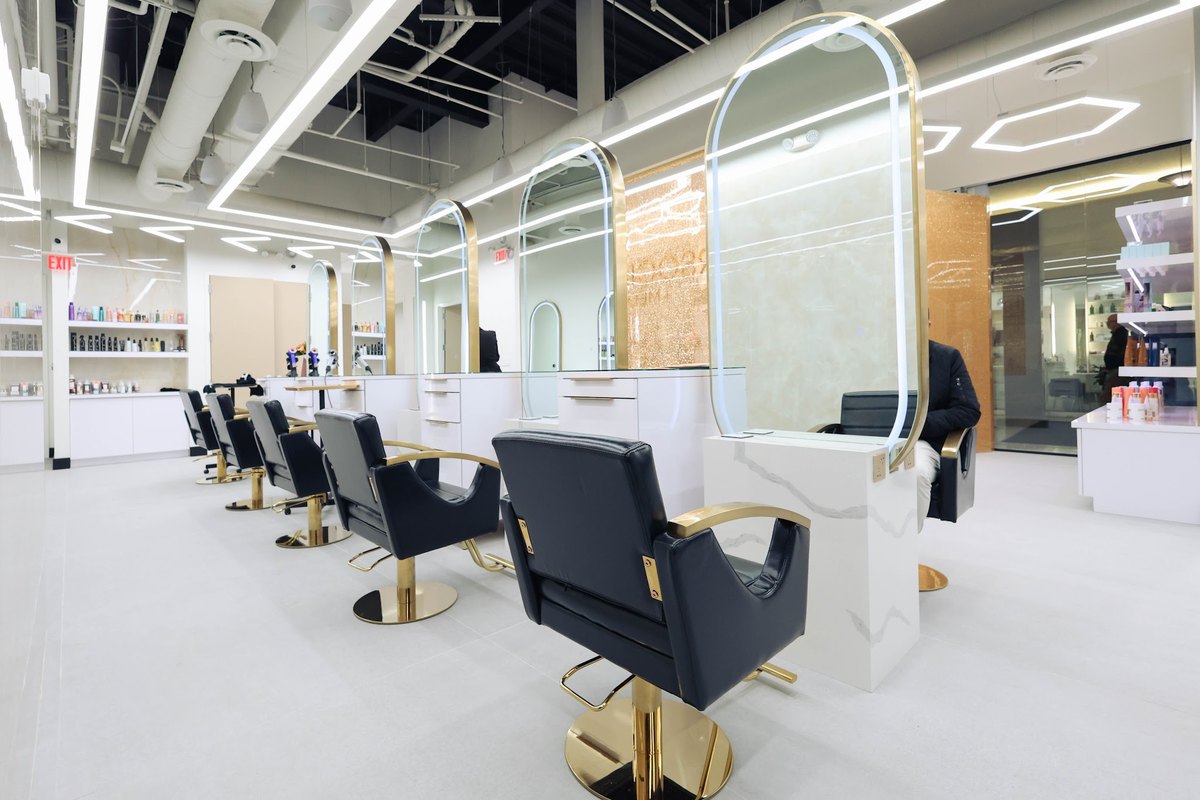
Texturizing proper is subtler: interior layers, point-cut ends, and weight removed in the last few inches so the outline stays narrow instead of flaring. This is where the professional line sits. Interior work with shears or a razor, placed against a growing pattern, is not home territory, the pieces you cut at the bathroom mirror are, by definition, on the surface where they will show. At Full Circle Salon, a thick-hair consultation starts with where the weight lives, and a good stylist will talk you out of surface thinning even if you ask for it by name.
Special case: thick and curly
Everything above applies double to thick curly hair, with one addition: never debulk wet and combed out. Weight in curls has to be judged dry and in its pattern, or the stylist removes hair that was load-bearing for the shape, and the cut collapses unevenly as it dries. Razor work is also riskier on curls, where it can fray ends into frizz. Dry, curl-aware debulking is slower and worth it.
Common questions
Will thinning shears make my hair frizzier?
They can, if used across the surface. Used in the interior by a stylist who controls the amount, they remove bulk without creating the short surface pieces that cause frizz.
Is an undercut a good idea for thick hair?
Often, yes, especially at the nape for heat and weight. It is visible when hair is worn up and takes months to grow out, so treat it as a deliberate choice, not a quick fix.
How often does thick hair need cutting?
Typically every eight to twelve weeks, when interior bulk and the flared outline return. The shape holds longer than fine cuts, but the weight comes back on schedule.
Photos in this guide are representative stock images.
← All guides from Full Circle Salon← Back to Full Circle Salon